


As temperatures rise during the summer months, refrigeration systems come under increasing pressure. Whether it’s a supermarket display fridge, commercial cold room, restaurant refrigeration unit, or even a domestic appliance, heatwaves can significantly impact performance.
For businesses that rely on refrigeration to protect stock, maintain food safety, and keep operations running smoothly, understanding these risks is essential.
So why do fridges and freezers struggle during periods of extreme heat?
Increased Workload
Refrigeration systems work by removing heat from inside the unit and releasing it into the surrounding environment.
When external temperatures rise, the refrigeration system has to work much harder to achieve the same cooling effect. Compressors run for longer periods, cooling cycles become more frequent, and critical components are placed under greater stress.
Over time, this additional workload can reduce efficiency, increase energy consumption, and potentially lead to equipment failure.
Temperature Regulation Challenges
Most refrigeration equipment is designed to operate within specific ambient temperature ranges.
During a heatwave, the surrounding air is already much warmer than normal, making it more difficult for the system to dissipate heat effectively. This can result in internal temperatures rising above safe levels, particularly if the equipment is already working near its limits.
For businesses storing food, medicines, or temperature-sensitive products, even small temperature fluctuations can have serious consequences.
Heat Absorption Risks
Every time a fridge or freezer door is opened, warm air enters the unit.
During a heatwave, that incoming air is significantly hotter than usual, meaning the refrigeration system must work harder to remove the additional heat and restore the desired temperature.
In busy commercial environments where doors are opened frequently throughout the day, this can place substantial strain on the equipment.
Poor Ventilation
Refrigeration systems rely on adequate airflow to remove heat from condensers and other cooling components.
If ventilation is restricted by stock, packaging, nearby equipment, or dust build-up, the system’s ability to reject heat is reduced. During periods of extreme weather, poor ventilation can quickly contribute to overheating and reduced performance.
Regular cleaning and ensuring sufficient space around equipment can make a significant difference.
How to Reduce the Risk
There are several practical steps businesses can take to improve refrigeration performance during periods of extreme heat:
- Ensure ventilation around refrigeration equipment is unobstructed.
- Clean condenser coils regularly to maintain efficient heat transfer.
- Check door seals for signs of wear or damage.
- Keep freezers 75%-80% stocked. Frozen products help retain cold temperatures more effectively than air, reducing the workload on the refrigeration system when doors are opened.
- Minimise unnecessary door openings where possible.
- Monitor temperatures regularly during hot weather.
- Schedule preventative maintenance inspections before peak summer periods.
The Importance of Preventative Maintenance
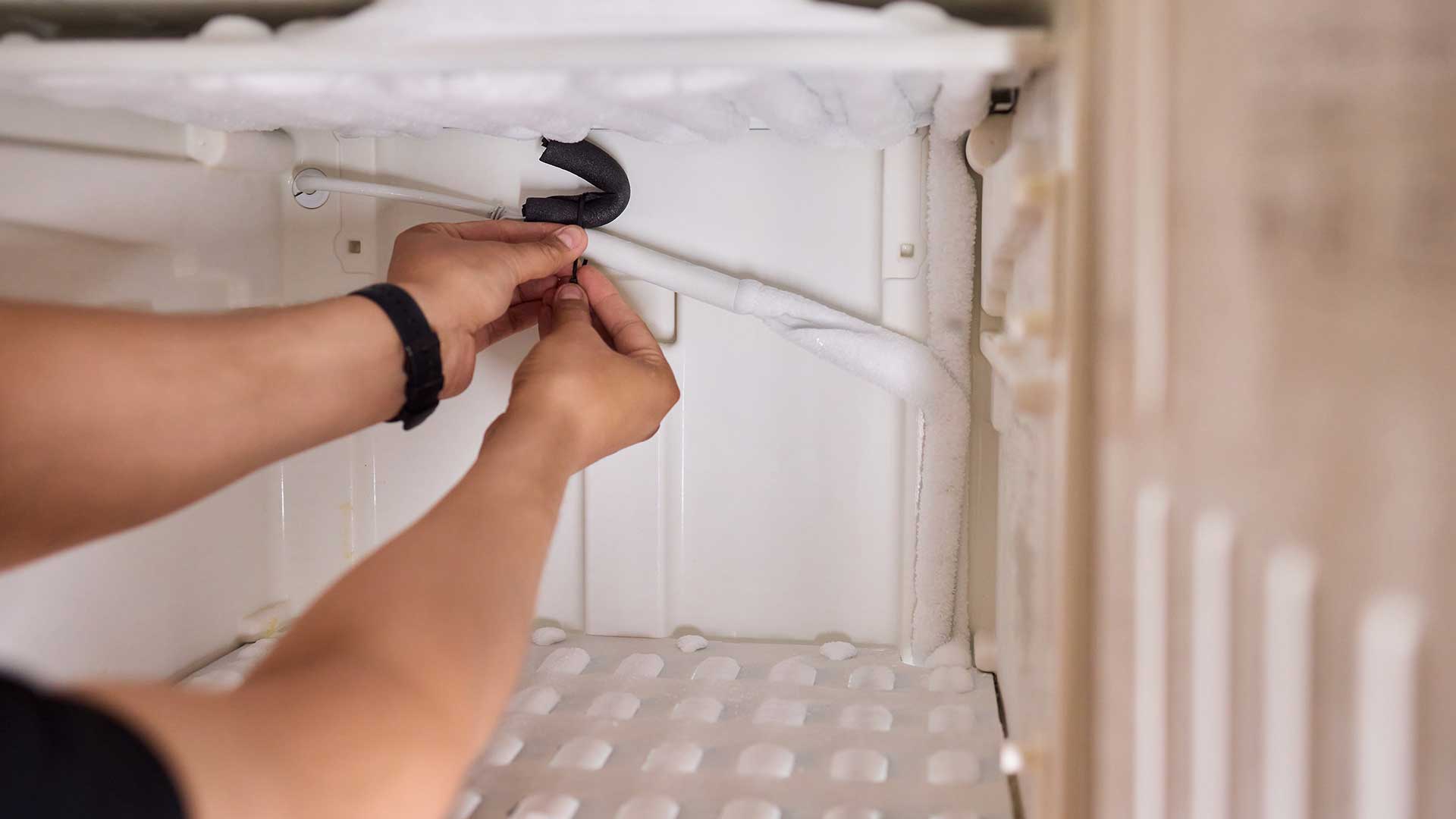
Like any critical piece of equipment, refrigeration systems perform best when they are properly maintained.
Routine inspections can identify issues such as worn components, airflow restrictions, electrical faults, and declining system performance before they develop into costly failures.
Preventative maintenance not only helps reduce the risk of breakdowns during heatwaves but can also improve energy efficiency, extend equipment lifespan, and minimise unexpected downtime.
Preparing for the Next Heatwave
With warmer summers becoming increasingly common, businesses should consider whether their refrigeration systems are prepared to cope with periods of extreme heat.
Taking proactive steps today can help protect valuable stock, reduce energy costs, and prevent unexpected disruptions when temperatures start to rise.
At CJ Timms Electrical, we understand how important reliable electrical and refrigeration systems are to business operations. Our experienced team can help identify potential issues
before they become major problems, keeping your systems operating safely and efficiently all year round.
Concerned about the performance of your refrigeration equipment? Get in touch with the CJ Timms team today to discuss your maintenance and electrical support requirements.