


Emergency lighting is one of those systems that often goes unnoticed, until it fails.
In a power cut, fire, or emergency evacuation, properly functioning emergency lighting can mean the difference between calm, safe exit and confusion or injury. Yet many businesses overlook routine testing until a problem arises.
Regular emergency lighting testing isn’t just good practice, it’s a legal requirement and a vital part of workplace safety.
Why Emergency Lighting Testing Is So Important
It’s a Legal Requirement
In the UK, emergency lighting must comply with:
- The Regulatory Reform (Fire Safety) Order 2005
- BS 5266 (Emergency Lighting Code of Practice)
- The Electricity at Work Regulations 1989
Responsible persons (employers, landlords, or building managers) must ensure emergency lighting is installed, maintained, and tested regularly.
Failure to comply can result in enforcement action, fines, invalidated insurance, or prosecution.
It Protects Lives
In an emergency situation:
- Main power may fail
- Visibility may be reduced due to smoke
- Panic can spread quickly
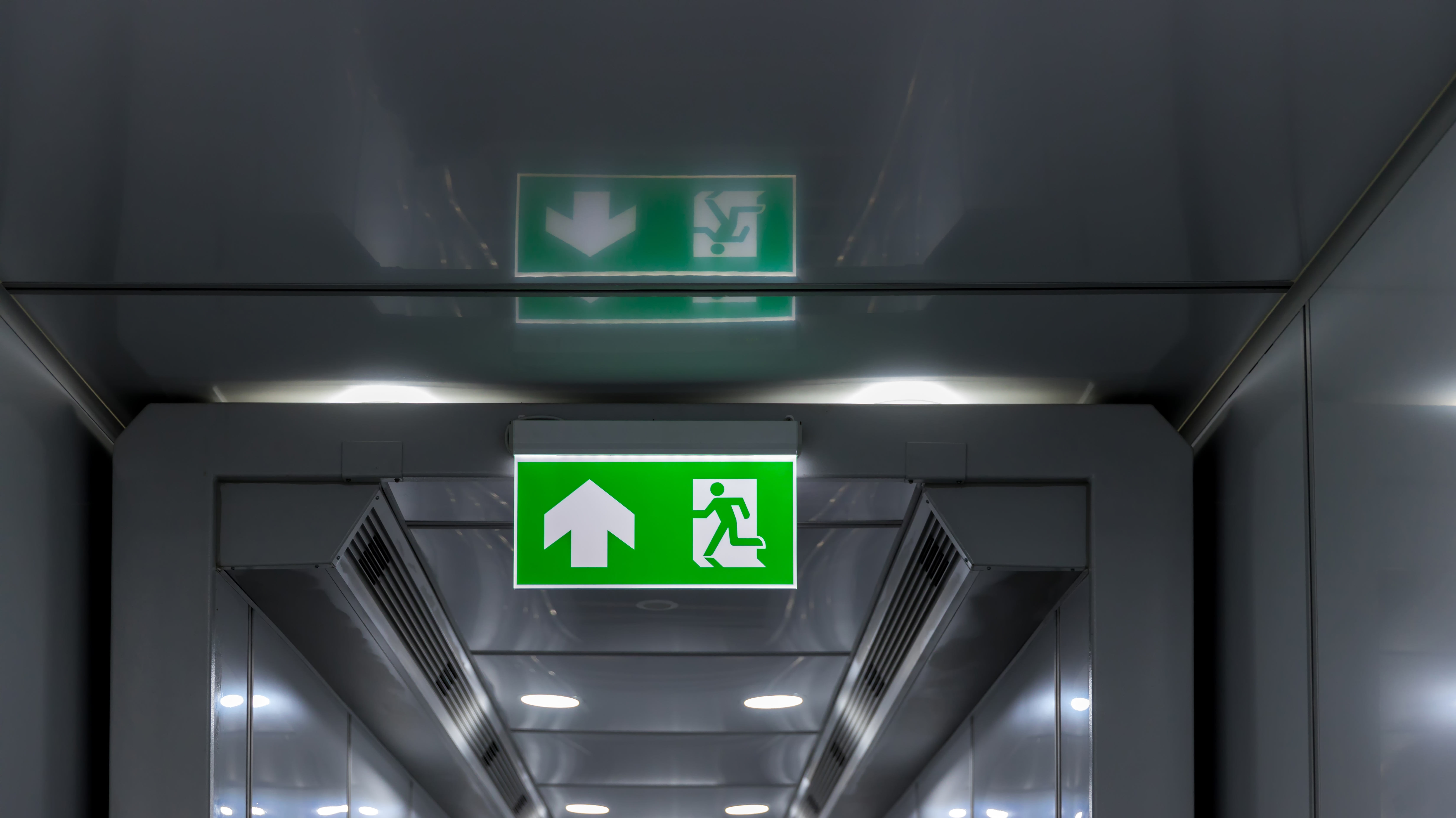
Emergency lighting provides clear illumination of escape routes, stairwells, corridors, and exits. Without it, evacuation becomes slower and more dangerous.
People rarely notice emergency lighting when it works but they absolutely notice when it doesn’t.
Faults Often Go Unnoticed
Unlike normal lighting, emergency systems sit in standby mode most of the time. Batteries degrade, fittings fail, and circuits develop faults without obvious warning signs.
Common issues found during testing include:
- Failed backup batteries
- Non-functioning fittings
- Insufficient illumination levels
- Wiring faults
- Duration failures (lights not lasting the required 3 hours)
Without routine testing, these problems may only become apparent during a real emergency.
How Often Should Emergency Lighting Be Tested?
UK guidance recommends:
Monthly Functional Test
- Brief simulated power failure
- Confirms lights illuminate correctly
- Logged in maintenance records
Annual Full Duration Test
- Full discharge test (usually 3 hours)
- Confirms batteries sustain required illumination
- Detailed inspection and reporting
Accurate documentation is essential to demonstrate compliance.
What Happens If You Don’t Test?
Neglecting emergency lighting testing can lead to:
- Failed fire risk assessments
- HSE or fire authority enforcement notices
- Increased liability if an incident occurs
- Risk to employees, customers, or visitors
- Significant reputational damage
Most importantly, it increases the risk of injury during an evacuation.
If you’re unsure when your system was last tested, now is the time to check.