



The Challenge
Car Bootliners wanted to gain a clear understanding of their site’s actual electrical demand and gather accurate evidence to support discussions with the National Grid.
At the time, the business was being charged based on an electrical capacity allocation of over 400 Amps, despite concerns that the site was operating well below this level. This resulted in significant standing costs for electrical capacity that wasn’t being fully utilised.
To reduce these unnecessary ongoing costs, the customer required reliable load monitoring data that could accurately demonstrate their true site demand.
The project needed to provide:
- Accurate monitoring of electrical usage across the site
- Evidence to support discussions with the National Grid
- Identification of actual peak load demand
- Opportunities to improve operational efficiency
- Potential reduction of unnecessary standing charges
Rather than relying on assumptions or estimated figures, the goal was to collect measurable data to support future decision-making.
The Solution
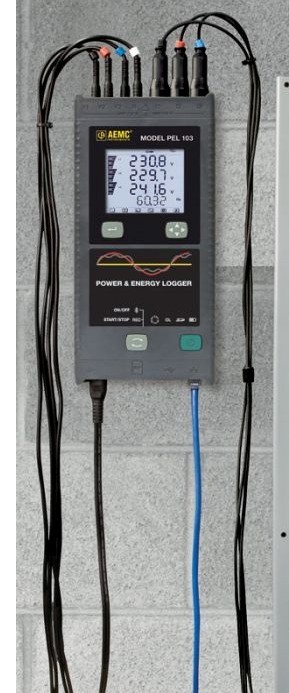
CJ Timms Electrical carried out a data logger load test, monitoring and recording electrical demand over a set period to provide a detailed picture of site performance.
By using data logging technology, we were able to collect real-time usage information and establish accurate electrical demand patterns across the business operation.
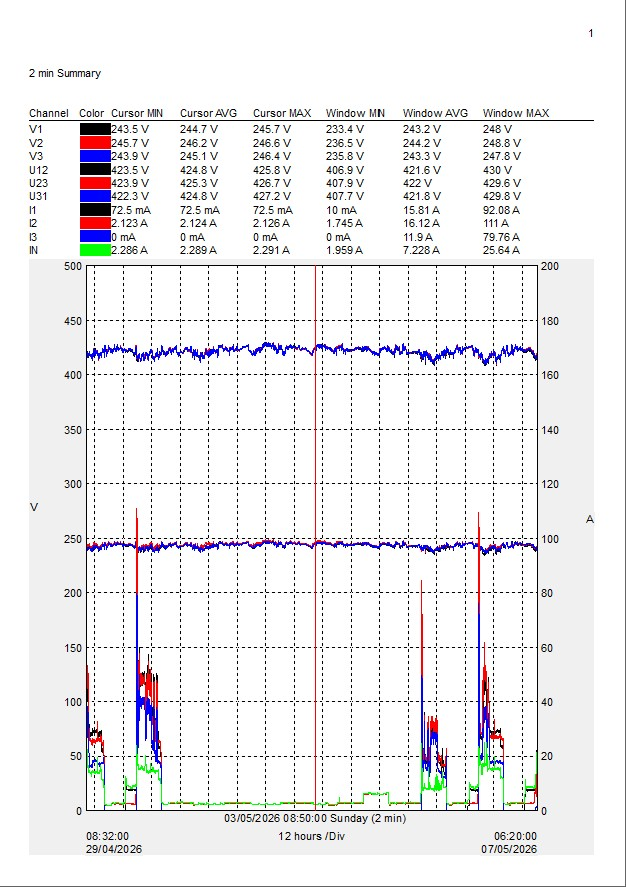
The monitoring process identified when electrical loads increased throughout the day and highlighted opportunities to reduce demand peaks.
Using the findings, Car Bootliners reviewed operational processes and introduced changes to stagger machine start-up times to prevent large surges in demand.
This included:
6:30am – 6:45am – Lighting and chillers switched on 7:00am – Smaller moulding machines brought online 7:30am – Large moulding machine started
Additional considerations were also introduced around compressor usage and machinery sequencing to further reduce peak demand where possible.
These operational adjustments, combined with the monitored data, helped create a clearer understanding of actual site requirements.
All monitoring data was recorded and collated to provide evidence-based reporting that could be used to support National Grid discussions.
The Outcome
The load monitoring exercise delivered far more than a snapshot of site performance.
Following the testing process, CJ Timms Electrical was able to provide evidence demonstrating that the site’s actual maximum load was approximately 100 Amps, significantly lower than the existing capacity allocation of over 1000 Amps.
This data gave Car Bootliners confidence to move forward with discussions around reducing their electrical supply requirements and requesting a more appropriate capacity arrangement.
The project delivered:
- Verified site electrical demand data
- Evidence for National Grid capacity discussions
- Improved understanding of operational load patterns
- Reduced peak demand through process changes
- Potential annual savings of thousands of pounds in unnecessary standing charges
By combining accurate testing with practical recommendations, the project helped turn data into actionable cost savings.
At CJ Timms Electrical, we believe evidence-led solutions allow businesses to make smarter decisions, improve efficiency and avoid paying for capacity they simply don’t need.